Course title
Physical AI and Intelligent Robotics
Collaborative robots, humanoids and vision-language-action models
Overview
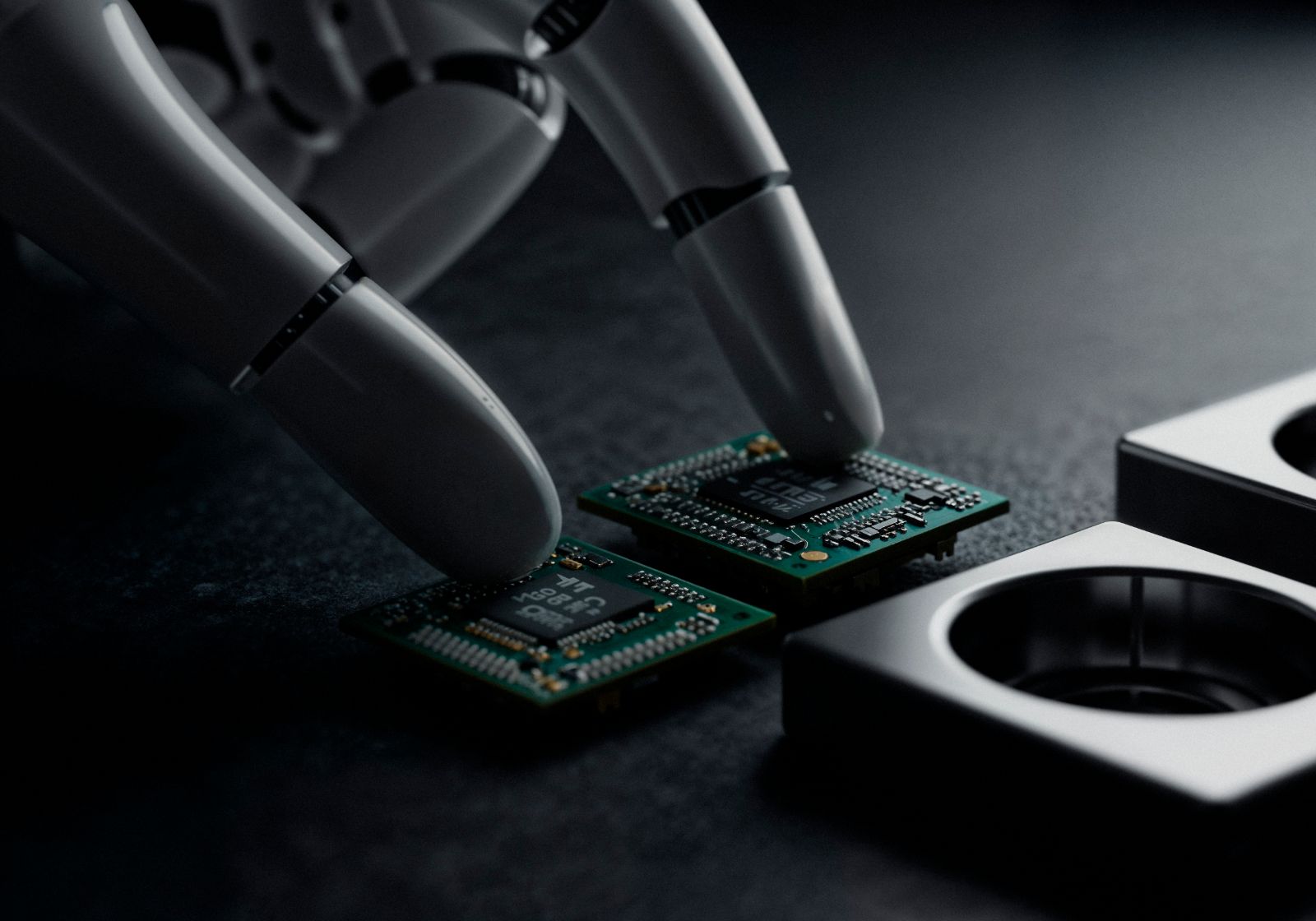
Physical AI, comprising robots that perceive, reason, and adapt rather than follow fixed scripts, is moving from pilot projects into production across manufacturing, logistics, and healthcare. This two-day programme explains the underlying technology and how to plan its adoption.
Conventional industrial robots repeat a single programmed task. A new generation combines cameras and sensors with AI models capable of interpreting instructions and adapting to changing environments, extending automation to work that was previously too variable to automate.
The programme covers how modern robots sense, plan, and act, the role of simulation and digital twins, applicable safety standards, and a structured method for selecting, scoping, and evaluating a first deployment.
Learning outcomes
By the end of the workshop, you will be able to
- 01
Explain how perception, planning, and control systems combine in modern robotic platforms.
- 02
Evaluate how vision-language-action models enable robots to interpret and execute instructions.
- 03
Apply simulation and digital twins to validate a deployment before capital investment.
- 04
Scope a robotics initiative with sound safety, integration, and return-on-investment planning.
Programme
What you will learn
Part 1 · 2 modules
How robots work
1.1Sensing and perception
- (a)Cameras, LiDAR and force sensors
- (b)Computer vision for robotics
- (c)Localisation and mapping
1.2Planning and control
- (a)Motion planning and manipulation
- (b)The Robot Operating System (ROS 2)
- (c)Collaborative robots and safe speeds
Part 2 · 3 modules
AI in the physical world
2.1Robot foundation models
- (a)Vision-language-action models
- (b)Learning from demonstration
- (c)Generalist and task-specific robots
2.2Humanoids and mobile robots
- (a)Where humanoids are being deployed
- (b)Autonomous mobile robots in warehouses
- (c)Current limits in reliability and endurance
2.3Simulation
- (a)Digital twins of a facility
- (b)Training and testing in simulation
- (c)Moving from simulation to the real world
Part 3 · 2 modules
Planning a deployment
3.1Safety and standards
- (a)Risk assessment for robot cells
- (b)Human-robot collaboration standards
- (c)Workplace safety obligations
3.2From pilot to production
- (a)Mapping the process before the robot
- (b)Data and integration requirements
- (c)Measuring return on investment
Who should attend
- Manufacturing and logistics engineers
- Operations and facilities managers
- Technical educators and polytechnic lecturers
- Leaders evaluating robotics investment
In-house delivery
Tailored for your organisation.
Delivered at your offices or conducted virtually, each run is customised around your active course portfolio and internal operating procedures.